All About Embroidery
When it comes to premium garment decoration, embroidery stands out as a timeless and durable option. Whether you’re branding uniforms, creating merchandise, or adding a professional touch to clothing, embroidery offers a polished, high-quality finish that sets it apart from print-based methods. In this spotlight, we take a closer look at the embroidery process, what
Tee Tree, The team at Tee Tree Print and Embroidery
2 min read
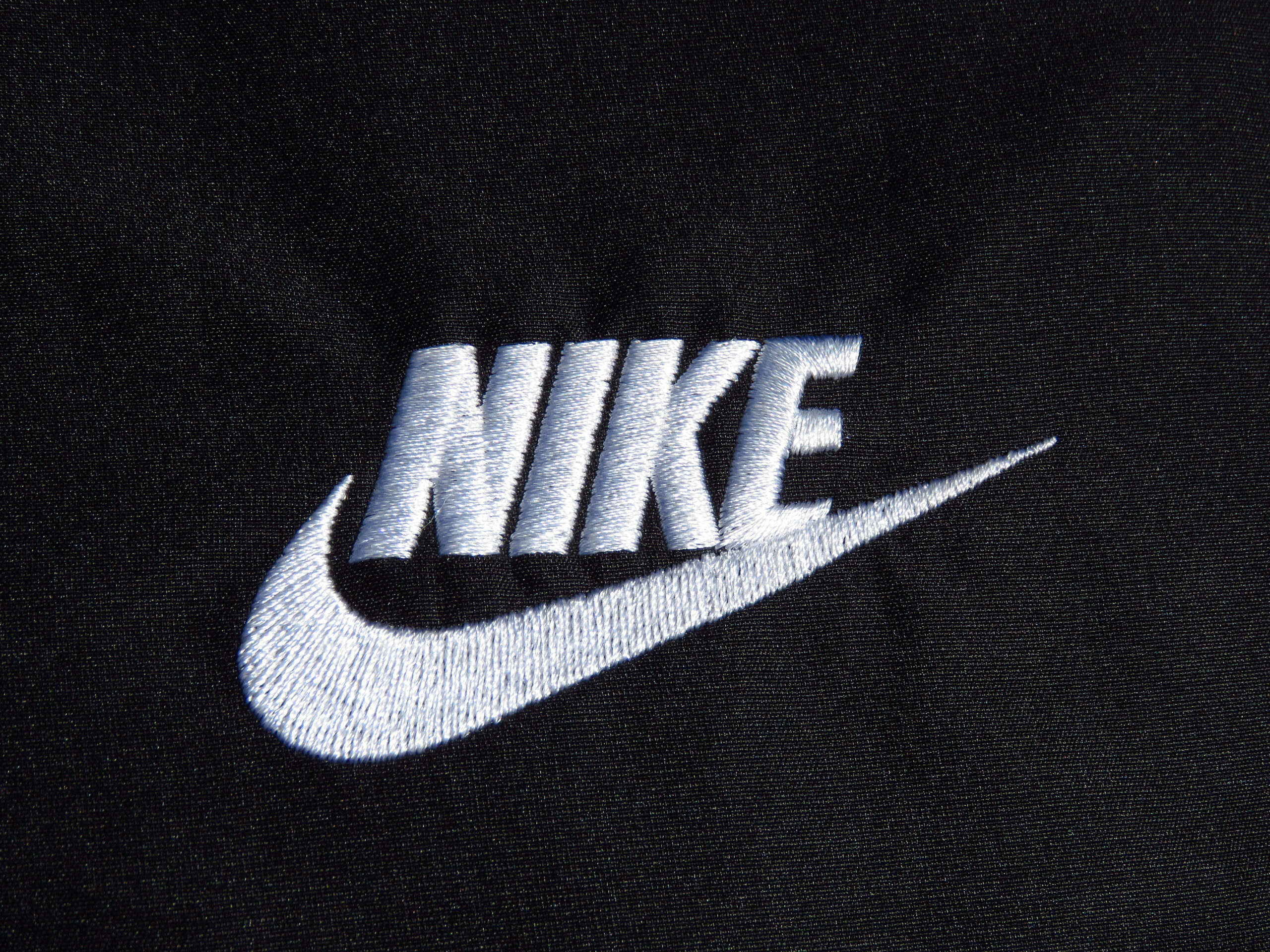
When it comes to premium garment decoration, embroidery stands out as a timeless and durable option. Whether you’re branding uniforms, creating merchandise, or adding a professional touch to clothing, embroidery offers a polished, high-quality finish that sets it apart from print-based methods.
In this spotlight, we take a closer look at the embroidery process, what makes it unique, and the key pros and cons you should consider when choosing this customisation method.
🛠️ **What Is Embroidery?**
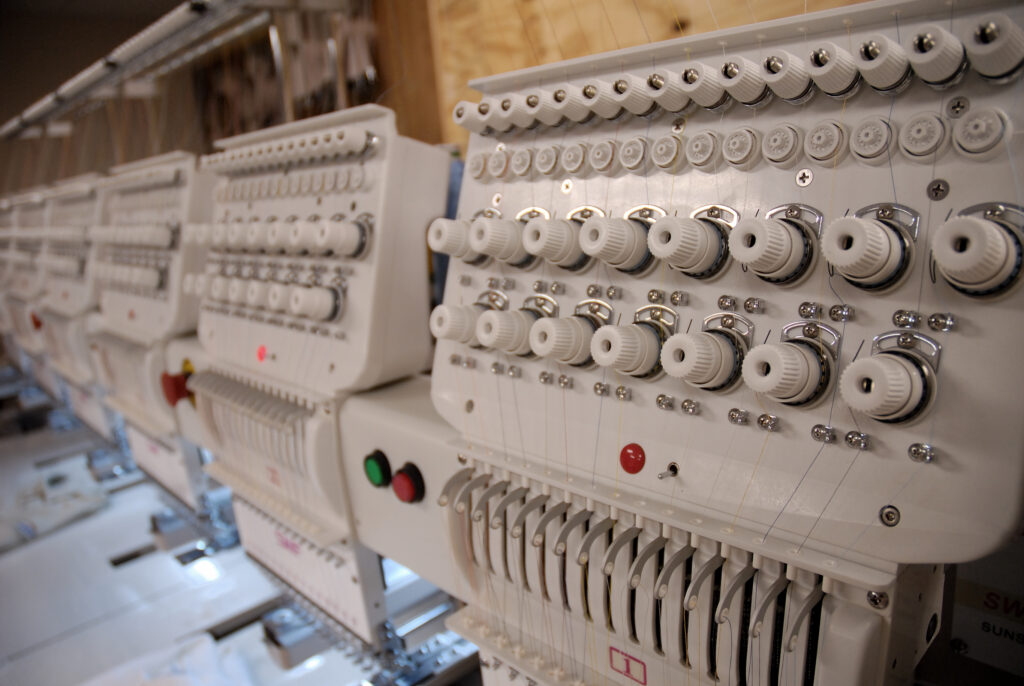
Embroidery is the process of stitching designs directly onto fabric using a needle and thread, typically done by high-speed automated embroidery machines. Your logo or artwork is first digitised (converted into a stitch file), which tells the machine exactly how to sew the design onto the garment.
This method is commonly used on:
- Polo shirts
- Hoodies
- Workwear
- Caps
- Jackets
- Bags and accessories
✅ **Advantages of Embroidery**
1. Professional Appearance Embroidery gives a clean, elevated look that’s ideal for corporate wear, uniforms, and premium branding.
2. Long-Lasting & Durable Because it’s stitched into the fabric, embroidery holds up extremely well through repeated washes and heavy wear — perfect for workwear and outdoor garments.
3. Suitable for Thick Fabrics Unlike some print methods, embroidery works excellently on thicker materials like fleece, canvas, and denim.
4. Colour Consistency Thread colours remain vibrant and do not fade easily, offering a consistent appearance over time.
5. Perceived Value Embroidery adds a tactile, dimensional quality that often feels more “premium” to customers or staff.
⚠️ **Considerations & Limitations**
1. Not Ideal for Complex Designs Very detailed artwork, gradients, or small text can be difficult to reproduce accurately with stitches. Simplification may be necessary.
2. Cost Increases with Stitch Count The price of embroidery often depends on the number of stitches required, which means larger or more intricate designs can be more expensive.
3. Less Flexible for Lightweight Fabrics Fine or stretchy fabrics (like thin t-shirts) may pucker or warp under the tension of embroidery.
4. Limited Colour Blending Unlike printing, embroidery doesn’t allow for smooth colour gradients or photo-realistic effects.
💡 **Best Use Cases for Embroidery**
- Corporate Branding: Logos on polo shirts or jackets.
- Teamwear & Uniforms: Durable, consistent branding for staff.
- Merchandise: Caps, bags, and hoodies with a high-end finish.
- Workwear: Hardwearing garments that need to stand the test of time.